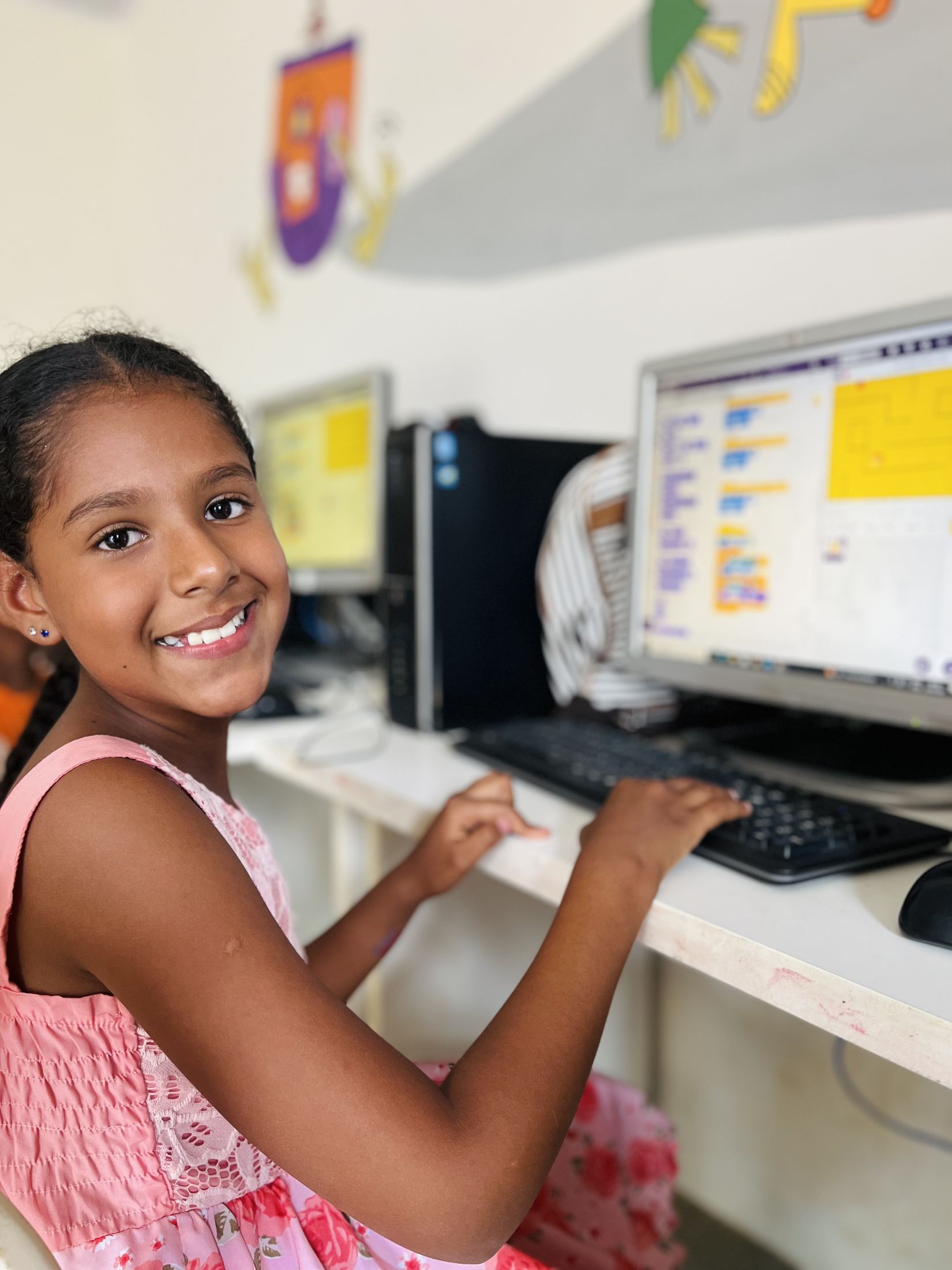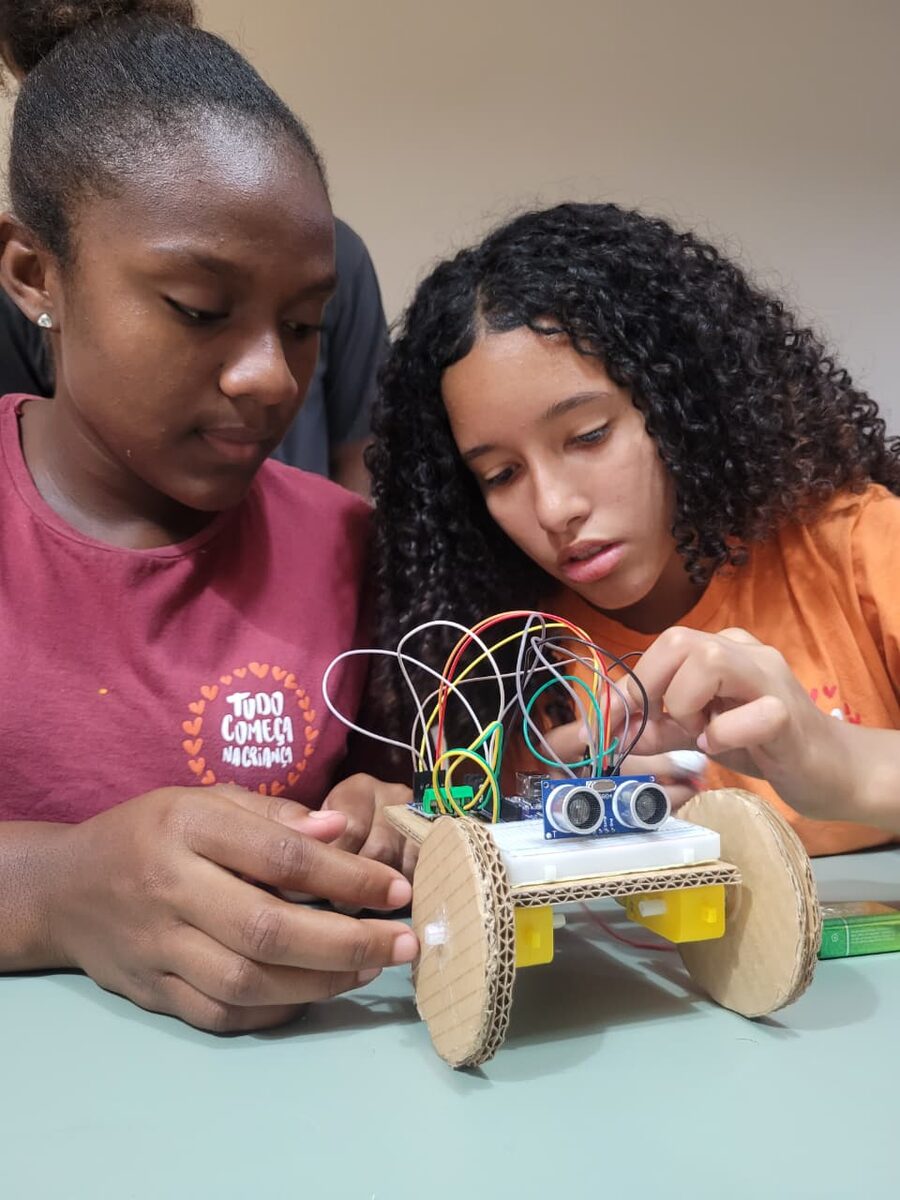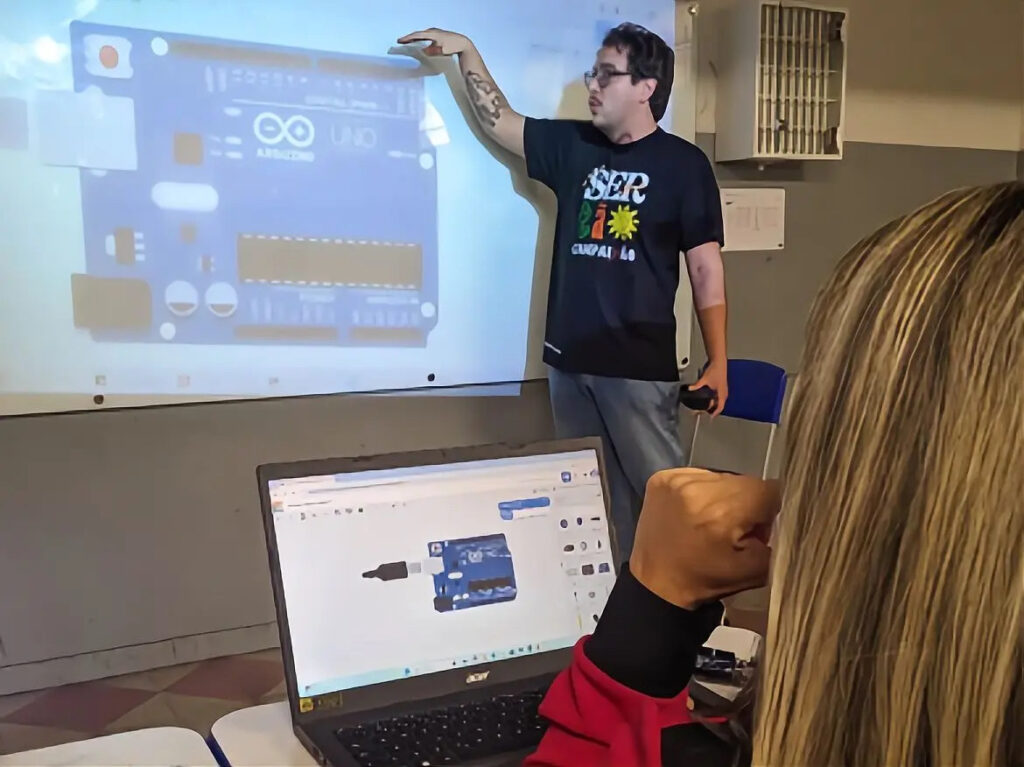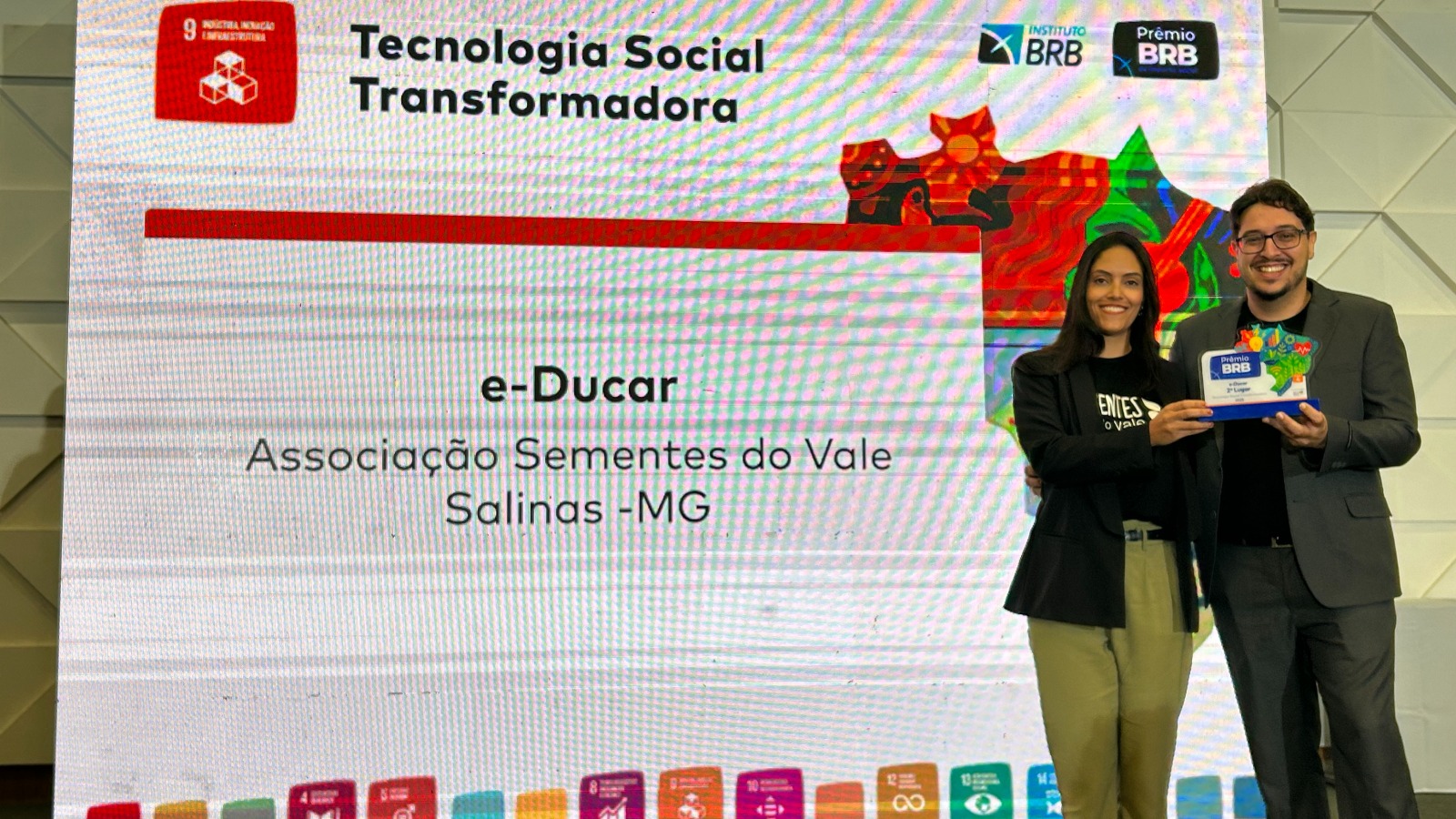

e-Ducar robotics class

educational robotics with scrap materials e-Ducar & e-Ducadores

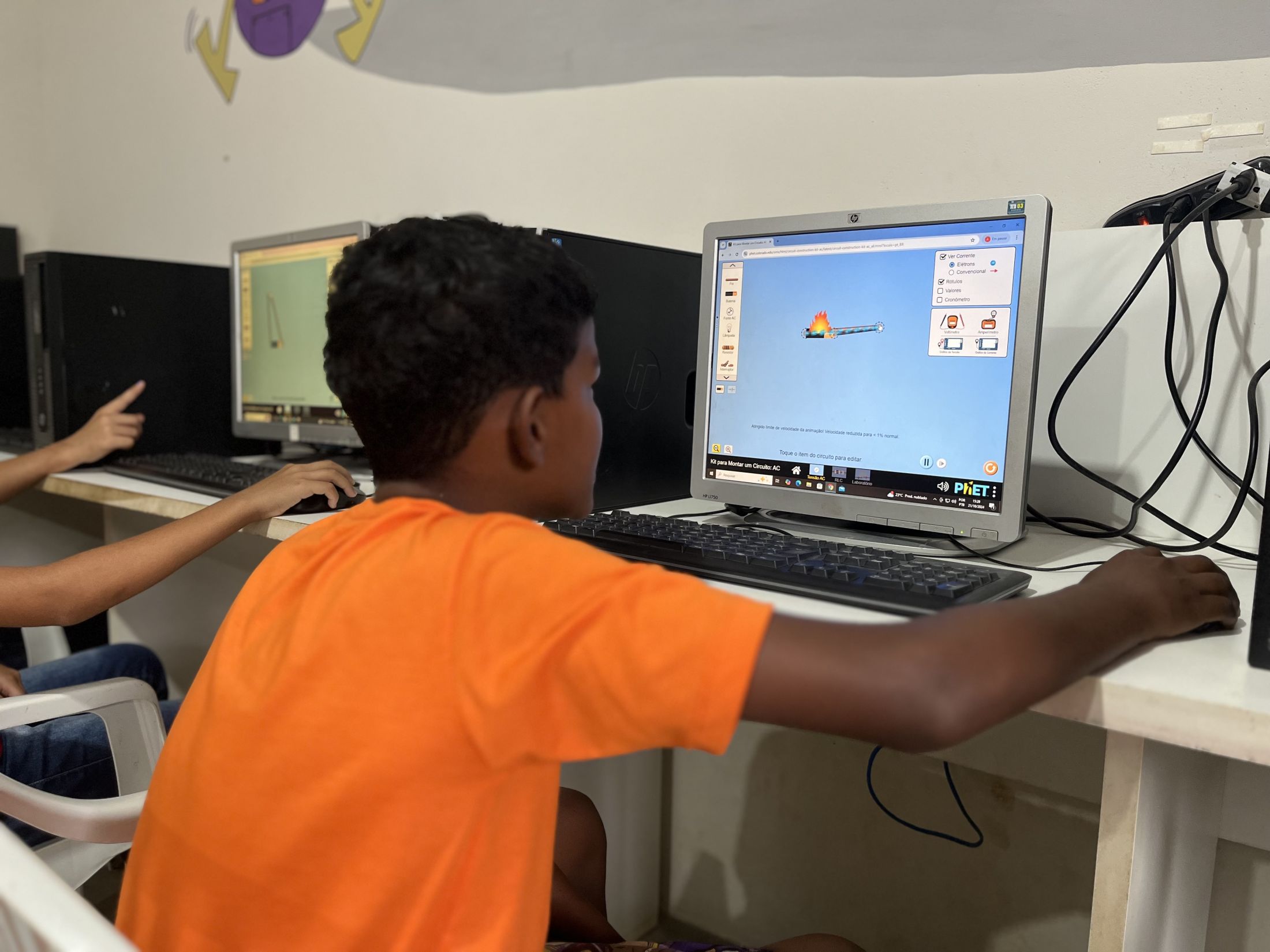
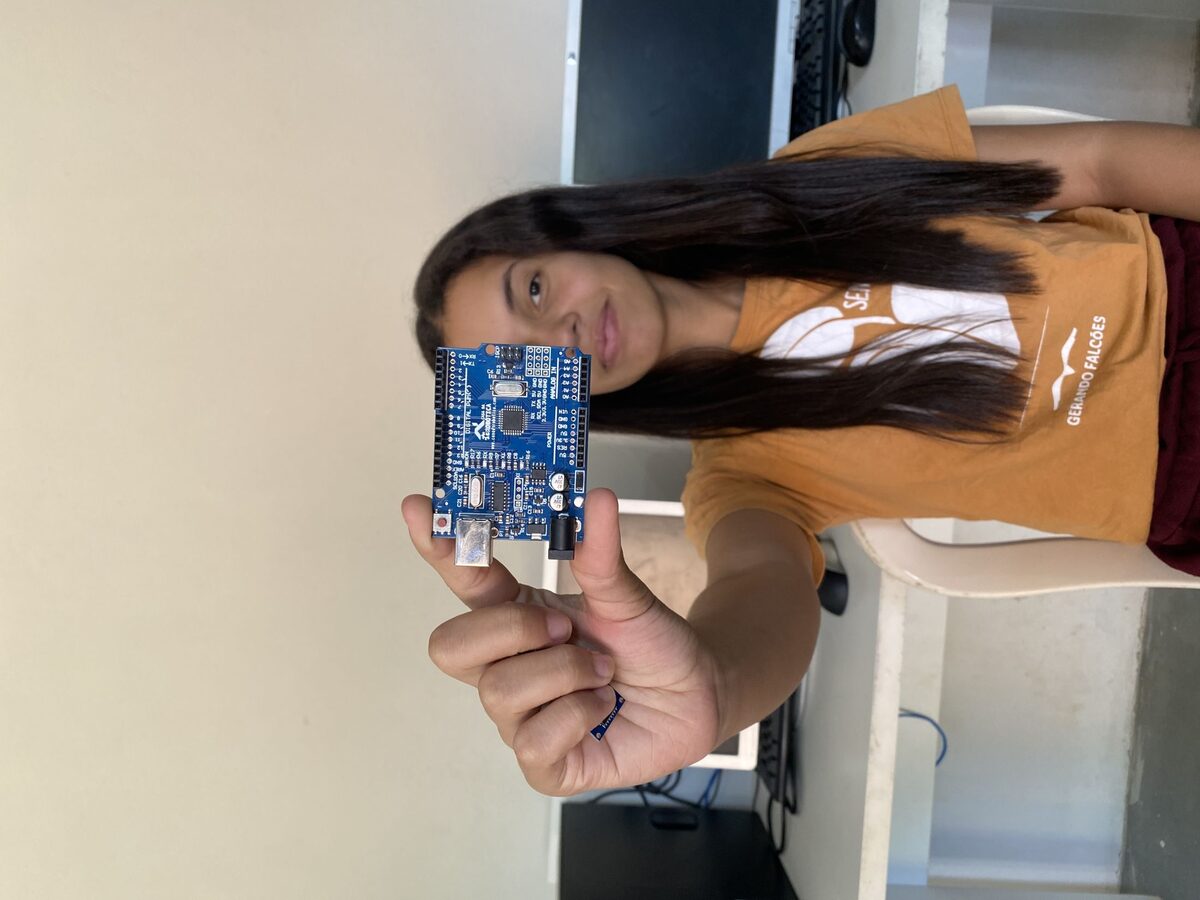
We reduce educational inequality by democratizing access to digital education for students and public schools through educational robotics, computational thinking for understanding Artificial Intelligence, and STEAM methodology.

Institutional video

Understand how the project works

4.331
Students benefited
164
Teachers trained
38
Schools served
7
7 cities
2
States

7 out of 10 students had their first contact with robotics through the project

How It Works

Four Steps, One Complete Ecosystem

It is not a one-off workshop. It is a path designed so robotics enters the school and stays there, even after we leave.

Teacher training

The heart of the project. Free in-person training for public-school educators: robotics fundamentals, block-based programming, computational thinking, and how to integrate everything into the school curriculum.

Materials and Video Lessons

Each teacher leaves with a complete pedagogical kit: ready-to-use lesson plans, an e-book, hands-on activities with scrap materials, and video lessons on YouTube. Everything is open, free, and permanently available.

Free robotics kits

Each partner school or education department receives robotics kits to use in classes with its students.

Aligned with Brazil's national curriculum

Digital education became mandatory by law in Brazilian schools, and the project materials were structured to support this adaptation through educational robotics, computational thinking, and STEAM methodology.

The Reality We Face

Robotics is a right.
But it reaches very few.

Even with Law No. 14,533/2023 guaranteeing the right to digital education, most Brazilian public schools have never offered a robotics class. e-Ducar was born to change that statistic, one classroom at a time.

  • 13%

    Only this share of Brazilian public schools offers robotics or programming activities.

  • 75%

    Of teachers say they have never received specific training to use technology in the classroom.

  • 95%

    Of schools served by the project are among the country's lowest socioeconomic levels (INSE/INEP).

  • 39% × 61%

    This is the learning gap between low- and high-income students. Digital education is one way to close it.

Results

What Happened with Participants

What Students Reported

6 months after the classes

Of beneficiary students are Black or Brown
73%
Want to continue having robotics classes
94,5%
Feel more motivated to go to school on robotics day
92,9%
Started liking science and technology more
89,1%
Improved in math and science
84,2%
Reflect more on caring for nature
77,5%
Want to pursue careers in science or technology
64,6%
Try at home what they learned in class
61,6%
What Teachers Reported

6 months later, in the classroom

Of trained teachers are women
70%
Of trained teachers are Black or Brown
59%
Noticed students more interested in robotics than in other subjects
100%
Felt robotics expanded social interactions
100%
Want to keep applying robotics next year
96%
Feel confident teaching the class on their own
90%
Inside the Project

Photo Gallery

Your School, Your City

Want to bring e-Ducar to your school?

If you are an educator, school leader, education department, or company that wants to support us, let's talk. Robotics from the Sertão can be where you are.